


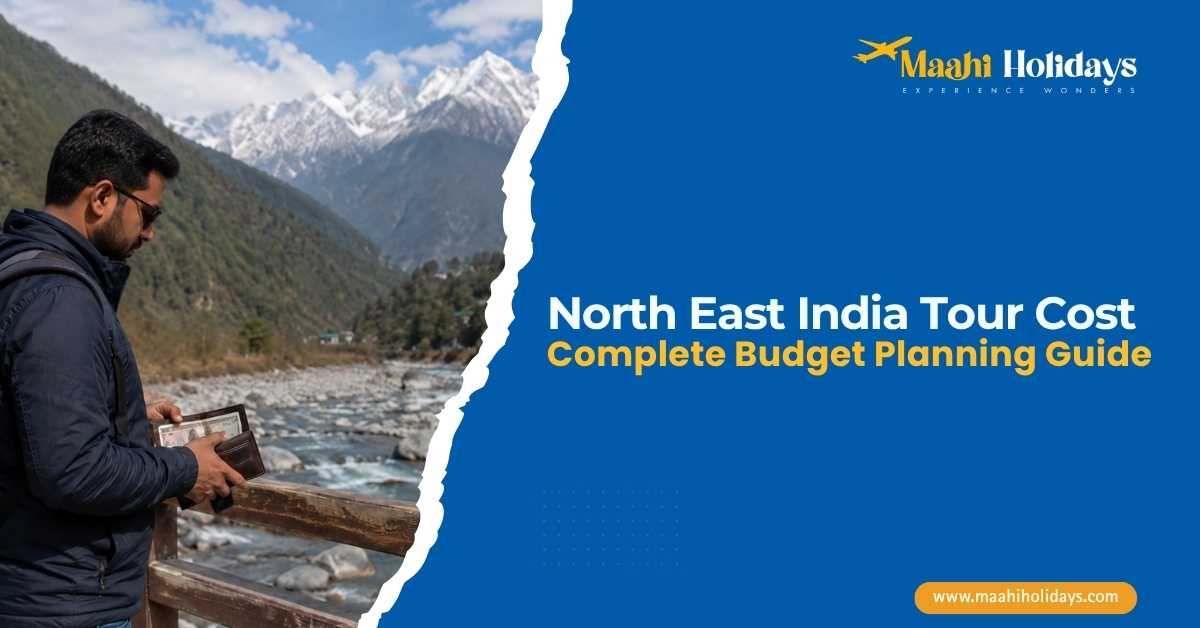


Most people search for paradise in travel magazines without realizing that a breathtakingly beautiful destination lies just beyond a narrow stretch of land known as the Chicken Neck—the small corridor connecting Northeast India to the rest of the country. Once you cross this gateway, the scenery changes completely. Towering mountains, roaring waterfalls, crystal-clear rivers, dense forests, and vibrant cultures welcome you at every turn.
Northeast India is a masterpiece of nature, bringing together eight remarkable states popularly known as the Seven Sisters and their brother, Sikkim. Planning a trip to this region requires careful preparation because of its vast geography, diverse landscapes, and varying travel requirements. Having a proper roadmap and expert guidance can help you enjoy a smooth and memorable journey.
This is why many travellers choose to plan their trip with a trusted Northeast Travel Agent, ensuring that permits, transportation, accommodation, and itineraries are managed efficiently.
Essential Things to Know Before Travelling to Northeast India
1. Best Time to Visit
Before packing your bags, choose the right season. October to April is considered the best time to visit Northeast India. The weather remains pleasant, mountain views are clear, and many destinations are at their scenic best. Spring also brings colourful flowers and lush greenery.
It is generally recommended to avoid travelling during the monsoon season from June to September because heavy rainfall can affect road conditions and sightseeing plans.
2. Inner Line Permit (ILP)
Indian citizens need an Inner Line Permit (ILP) to visit states such as Arunachal Pradesh, Nagaland, and Mizoram. No permit is required for Assam, Meghalaya, and Tripura. It is advisable to apply online before your trip.
3. Permits for Foreign Tourists
Foreign travellers visiting Sikkim, Arunachal Pradesh, Nagaland, Mizoram, and Manipur may require a Protected Area Permit (PAP) or Restricted Area Permit (RAP). Assam, Meghalaya, and Tripura can generally be visited with a valid Indian visa.
Applications should be submitted through the official e-FRRO portal at least 15 to 30 days before travel.
4. Budget Planning
Set your travel budget in advance. While digital payments are accepted in major towns, remote villages and mountain regions may have poor network connectivity. Carrying sufficient cash is always recommended.
How and Where to Start Your Journey
The Northeast consists of eight states, and it is not practical to explore everything in a single trip. A well-planned route will help you enjoy the experience without feeling rushed.
Step 1: Choose Your Gateway
Guwahati (Assam)
Guwahati is the primary gateway to Northeast India. It offers excellent flight, rail, and road connectivity and serves as the ideal starting point for Meghalaya, Arunachal Pradesh, Nagaland, and Manipur.
Bagdogra Airport / New Jalpaiguri
If your focus is mainly Sikkim, Bagdogra Airport and New Jalpaiguri Railway Station are the most convenient entry points.
Step 2: Pick One Travel Circuit
Instead of trying to cover all eight states at once, focus on a specific route.
A popular option for first-time visitors is the Assam-Meghalaya Circuit:
Guwahati → Shillong → Cherrapunji → Dawki
This route can comfortably be completed in about seven days.
Step 3: Connect with a Local North East Tour Operator
Managing permits, arranging transportation, navigating mountain roads, and coordinating accommodations can be challenging. Working with a reliable North East Travel Agent can save time and help avoid unnecessary complications during your trip.
The Eight States of Northeast India
Before planning your itinerary, it is important to understand the eight states that make up Northeast India. Each state offers unique attractions, cultures, cuisines, and travel experiences.
Assam
Assam is known for its vast tea gardens, the mighty Brahmaputra River, and Kaziranga National Park. It is often the starting point for many Northeast India tours.
Meghalaya
Known as the "Abode of Clouds," Meghalaya is famous for its waterfalls, living root bridges, caves, and scenic destinations such as Shillong and Cherrapunji.
Arunachal Pradesh
This beautiful mountain state is home to snow-covered peaks, Buddhist monasteries, and breathtaking valleys. Tawang remains one of its most visited attractions.
Nagaland
Nagaland is renowned for its tribal heritage, scenic hills, and vibrant festivals. The Hornbill Festival attracts visitors from across the world.
Manipur
Manipur is known for its natural beauty, traditional dance forms, and the unique Loktak Lake, the only floating lake in India.
Mizoram
Mizoram offers rolling green hills, peaceful landscapes, charming villages, and rich cultural traditions.
Tripura
Tripura is famous for its royal palaces, temples, and historical landmarks that showcase its cultural heritage.
Sikkim
Sikkim is known for stunning mountain views, monasteries, adventure activities, and the majestic Kanchenjunga.
How to Travel Within Northeast India
Travelling across Northeast India requires proper planning because many destinations are located in hilly and remote regions.
Flights
Cities such as Guwahati, Imphal, Agartala, Aizawl, Shillong, and Bagdogra are connected by regular flights, making air travel the fastest option.
Shared Cabs
Shared taxis are widely available and are a budget-friendly mode of transportation between towns and tourist destinations.
Private Taxis
Private taxis provide flexibility and comfort, making them suitable for families and travellers who prefer customised sightseeing.
Self-Drive Vehicles
Self-drive vehicles are ideal for road trip enthusiasts, though drivers should be comfortable with mountain roads and changing weather conditions.
Helicopter Services
Some remote areas of Arunachal Pradesh can also be reached through helicopter services, depending on availability and weather conditions.
The Most Iconic Experiences You Cannot Miss
Living Root Bridges, Meghalaya
Created by local communities using the roots of living trees, these remarkable bridges are among the most unique attractions in the world. The Double Decker Living Root Bridge near Cherrapunji is especially popular among trekkers.
Kaziranga National Park, Assam
A UNESCO World Heritage Site, Kaziranga is famous for having the world's largest population of one-horned rhinoceroses. Jeep and elephant safaris offer excellent wildlife viewing opportunities.
Tawang Monastery, Arunachal Pradesh
Located at an altitude of over 10,000 feet, Tawang Monastery is the largest monastery in India and offers spectacular mountain views.
Loktak Lake, Manipur
Known as India's only floating lake, Loktak Lake is famous for its floating islands called Phumdis and the rare Sangai deer.
Hornbill Festival, Nagaland
Held every December, the Hornbill Festival showcases the rich tribal traditions, music, dance, crafts, and cuisine of Nagaland.
Diving Into the Food and Culture
The cuisine of Northeast India is distinct, flavourful, and deeply connected to local traditions.
Thukpa and Momos (Sikkim and Arunachal Pradesh)
A comforting noodle soup paired with freshly prepared momos and spicy local chutneys.
Masor Tenga (Assam)
A traditional Assamese fish curry known for its light and tangy flavour.
Smoked Pork with Bamboo Shoots (Nagaland)
One of Nagaland's most popular dishes, combining smoked pork with fermented bamboo shoots.
Jadoh and Dohneiiong (Meghalaya)
Jadoh is a rice and meat dish, while Dohneiiong is a flavourful pork preparation cooked with black sesame.
Iromba (Manipur)
A traditional Manipuri dish made from mashed vegetables, herbs, and local seasonings.
Things to Keep in Mind
Keep It Clean
Places like Mawlynnong and Khonoma are known for their cleanliness. Always dispose of waste responsibly.
Ask Before Taking Photos
When visiting villages, monasteries, or local communities, always seek permission before taking photographs.
The Sun Sets Early
Since Northeast India lies in the easternmost part of the country, daylight ends earlier than in many other regions. Plan activities accordingly.
Sundays Are Usually Quiet
In several states, including Meghalaya, Nagaland, and Mizoram, many businesses remain closed on Sundays.
Respect Nature
Sacred forests and natural heritage sites hold deep cultural significance. Avoid removing plants, stones, or any natural objects.
Also Check:-
FAQs
1) How many days are enough for a Northeast India trip?
A 7–14 day itinerary is ideal depending on the states you want to explore.
2) Do I need permits for Northeast India?
Some states such as Arunachal Pradesh, Nagaland, and Mizoram require ILP permits.
3) Which is the best month to visit Northeast India?
October to April is considered the best period.
4) Is Northeast India safe for tourists?
Yes. Most tourist destinations are safe when basic travel precautions are followed.
Final Thoughts
A trip to Northeast India is more than just a holiday. It is an opportunity to experience breathtaking landscapes, fascinating cultures, unique traditions, and unforgettable adventures.
From living root bridges and floating lakes to snow-capped mountains and vibrant festivals, every destination offers something extraordinary. However, because of varying permits, mountain roads, transportation challenges, and route planning requirements, organising the trip independently can sometimes become overwhelming.
To enjoy a hassle-free experience, consider working with an experienced Northeast Travel Agent like Maahi Holidays. Their local expertise, customised itineraries, permit assistance, and travel support can help you explore Northeast India comfortably and confidently while creating memories that last a lifetime.